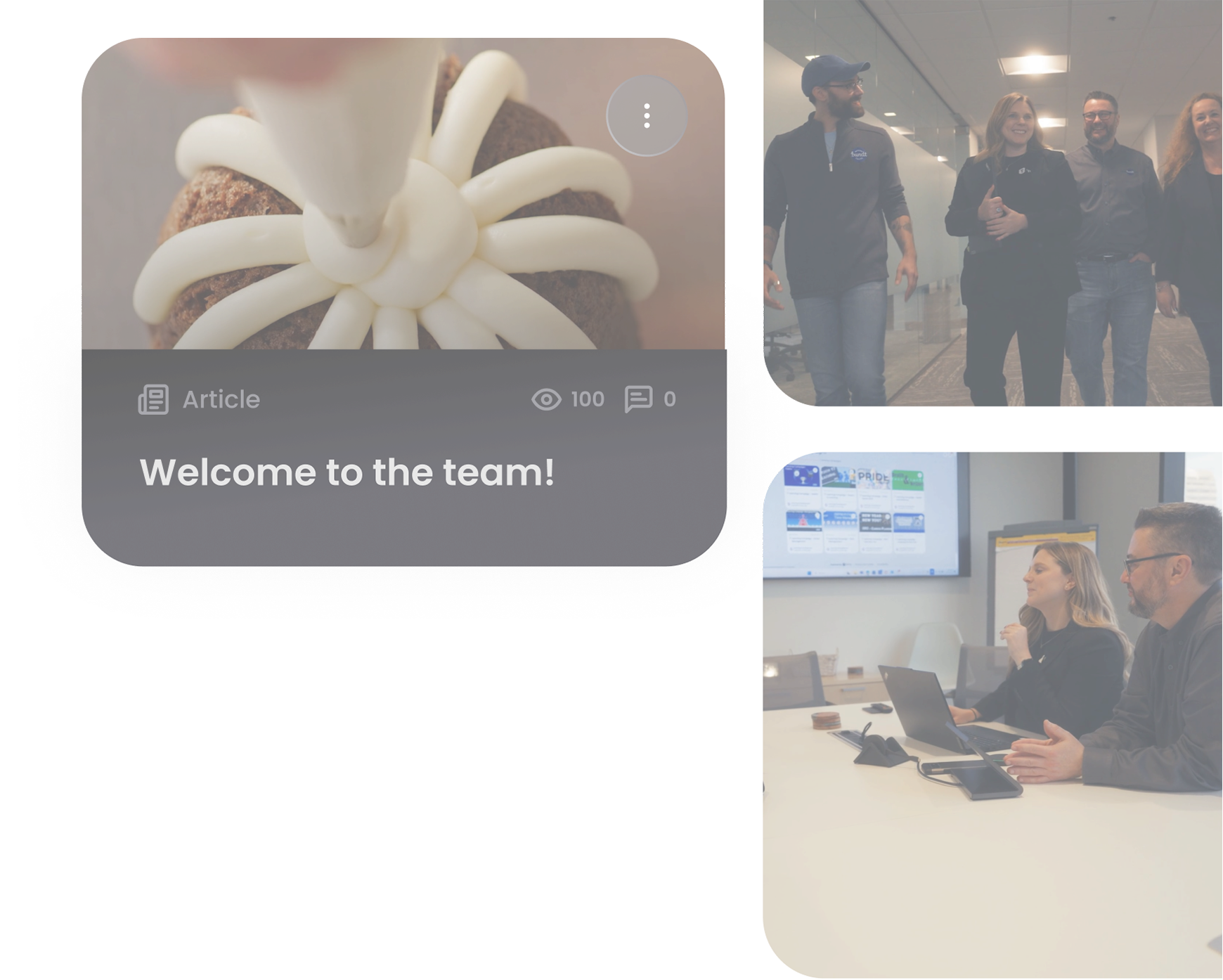
Engagment, growth, and results. Just three reasons Topps Tiles renews with Thrive
Find out more
November 28, 2025
|
4 mins to read
|
Learner engagement

Learning in the flow of work: making development effortless

Turn everyday tasks into everyday growth by embedding learning into the flow of work.
Alex Mullen
Web Content Writer

Integrating learning into the flow of work: it’s frequently discussed by L&D professionals, but is it really necessary or just a “nice-to-have?” 

As of 2024, only 54% of UK office workers feel their employer gives them sufficient opportunities to grow and develop. With a lack of learning and development opportunities being repeatedly cited as one of the main reasons employees leave their jobs, are you sure you can afford not to integrate learning into the flow of work?

We explored how to build a culture of lifelong learning without overwhelming your people in a previous blog, and this was our number one tip. In this blog, we’ll dive deeper into why it’s such an invaluable part of any L&D strategy. 

Some days, finding time to learn feels like trying to find a free meeting room on a Monday morning – technically possible, but rare. Between the deluge of deadlines, messages, and calls, most people struggle to step away from their desks to take part in traditional training. 

That’s where this concept of learning in the flow of work comes in. It blends growth into the rhythm of the day, so people learn while they work, instead of after they’ve cleared their inbox.

Why embed learning into the flow of work? 

Traditional training often looks like listlessly clicking through that boring course you saved for “when things quiet down.” And… have things quietened down yet? We thought not. 

Learning in the flow of work flips that on its head. Instead of making learning somewhere that you go – separate from work – it makes development feel as natural as checking your messages or “jumping on a quick call.” (Sorry, we know those six words will likely trigger your fight-or-flight response.) 

People absorb knowledge in short, useful bursts that connect directly to what they’re doing. That’s when learning sticks – when it’s needed most. 

What does learning in the flow of work look like in practice? 

Learning in the flow of work doesn’t take the form of one singular tool or strategy. It’s a concept characterised by small learning moments that feel effortless – but of course, practical examples are useful. 

Here are some ways in which you can embed this into your organisation today. 

Quick, contextual answers: For example, a customer support agent might see a short tip appear in their helpdesk system that shows how to resolve an issue they’ve not handled before. They can use it instantly, without breaking their focus or searching through a library.

Learning triggered by real tasks: A new sales rep preparing a proposal could receive a prompt with a short guide to the pricing model. The learning appears at the exact moment they need it.

Learning through shared practice: Picture an engineer opening a colleague’s annotated walkthrough of how they solved a similar problem last week. The insight is practical, grounded in real work, and easy to apply straight away.

These moments are what make learning in the flow of work feel so different. A quick reminder before a client meeting or a helpful nudge inside a project tool gives people the support they need, right when they need it. 

There’s no pressure to carve out a full afternoon or sit through a long refresher. Development keeps moving at the same pace as the work itself, and people stay focused on the tasks that matter.

How managers make learning stick

Bringing learning into everyday routines makes it a shared habit, rather than a solo mission. The trick isn’t to add more to an already busy day; it’s to weave learning naturally into what’s already happening.

Start small. Kick off your next team meeting with a “learning moment” (for example a quick story or tool that helped someone do their job better.) Keep it conversational. If someone solved a tricky customer issue or discovered a faster way to handle reporting, celebrate it. This turns learning into storytelling, and stories are what people remember.

Use tech to your advantage. Drop short clips or links into chat threads instead of saving them for a formal session. Encourage team members to share what they’re learning as it happens. Before long, learning becomes contagious.

And don’t underestimate reflection. A one-line message like “What’s one thing you learned from that project?” helps people connect experience to growth. It’s a micro-habit that builds awareness without slowing anyone down.

Finally, make learning as visible as possible. Recognise when someone applies something new, no matter how small. 

Why flow-based learning changes the game

Making learning continuous means people adapt faster. They gain confidence tackling new systems and approaches. They spot opportunities sooner. Businesses see stronger performance because knowledge isn’t locked away in a course — it’s in motion across every project and conversation.

Teams using Thrive bring this to life every day. They embed knowledge into communication tools, automate reminders, and use bite-sized content that fits real moments of need. The outcome is a workforce that’s confident and continuously improving — without ever leaving the flow of work.

The future of effortless learning

Development doesn’t have to be an event you schedule. It can be something that happens in the middle of your busiest day — and still makes you better at what you do. 

Learning in the flow of work makes that possible. With Thrive, businesses are turning everyday activity into everyday progress, creating teams that grow as naturally as they work.

Curious about how Thrive could help you do just that? Browse our newest features and book a demo today. 

More Stories

See all

See Thrive in action

Explore what impact Thrive could make for your team and your learners today.

November 28, 2025
|
4 mins to read

Learning in the flow of work: making development effortless

Turn everyday tasks into everyday growth by embedding learning into the flow of work.

Alex Mullen
Web Content Writer

Integrating learning into the flow of work: it’s frequently discussed by L&D professionals, but is it really necessary or just a “nice-to-have?” 

As of 2024, only 54% of UK office workers feel their employer gives them sufficient opportunities to grow and develop. With a lack of learning and development opportunities being repeatedly cited as one of the main reasons employees leave their jobs, are you sure you can afford not to integrate learning into the flow of work?

We explored how to build a culture of lifelong learning without overwhelming your people in a previous blog, and this was our number one tip. In this blog, we’ll dive deeper into why it’s such an invaluable part of any L&D strategy. 

Some days, finding time to learn feels like trying to find a free meeting room on a Monday morning – technically possible, but rare. Between the deluge of deadlines, messages, and calls, most people struggle to step away from their desks to take part in traditional training. 

That’s where this concept of learning in the flow of work comes in. It blends growth into the rhythm of the day, so people learn while they work, instead of after they’ve cleared their inbox.

Why embed learning into the flow of work? 

Traditional training often looks like listlessly clicking through that boring course you saved for “when things quiet down.” And… have things quietened down yet? We thought not. 

Learning in the flow of work flips that on its head. Instead of making learning somewhere that you go – separate from work – it makes development feel as natural as checking your messages or “jumping on a quick call.” (Sorry, we know those six words will likely trigger your fight-or-flight response.) 

People absorb knowledge in short, useful bursts that connect directly to what they’re doing. That’s when learning sticks – when it’s needed most. 

What does learning in the flow of work look like in practice? 

Learning in the flow of work doesn’t take the form of one singular tool or strategy. It’s a concept characterised by small learning moments that feel effortless – but of course, practical examples are useful. 

Here are some ways in which you can embed this into your organisation today. 

Quick, contextual answers: For example, a customer support agent might see a short tip appear in their helpdesk system that shows how to resolve an issue they’ve not handled before. They can use it instantly, without breaking their focus or searching through a library.

Learning triggered by real tasks: A new sales rep preparing a proposal could receive a prompt with a short guide to the pricing model. The learning appears at the exact moment they need it.

Learning through shared practice: Picture an engineer opening a colleague’s annotated walkthrough of how they solved a similar problem last week. The insight is practical, grounded in real work, and easy to apply straight away.

These moments are what make learning in the flow of work feel so different. A quick reminder before a client meeting or a helpful nudge inside a project tool gives people the support they need, right when they need it. 

There’s no pressure to carve out a full afternoon or sit through a long refresher. Development keeps moving at the same pace as the work itself, and people stay focused on the tasks that matter.

How managers make learning stick

Bringing learning into everyday routines makes it a shared habit, rather than a solo mission. The trick isn’t to add more to an already busy day; it’s to weave learning naturally into what’s already happening.

Start small. Kick off your next team meeting with a “learning moment” (for example a quick story or tool that helped someone do their job better.) Keep it conversational. If someone solved a tricky customer issue or discovered a faster way to handle reporting, celebrate it. This turns learning into storytelling, and stories are what people remember.

Use tech to your advantage. Drop short clips or links into chat threads instead of saving them for a formal session. Encourage team members to share what they’re learning as it happens. Before long, learning becomes contagious.

And don’t underestimate reflection. A one-line message like “What’s one thing you learned from that project?” helps people connect experience to growth. It’s a micro-habit that builds awareness without slowing anyone down.

Finally, make learning as visible as possible. Recognise when someone applies something new, no matter how small. 

Why flow-based learning changes the game

Making learning continuous means people adapt faster. They gain confidence tackling new systems and approaches. They spot opportunities sooner. Businesses see stronger performance because knowledge isn’t locked away in a course — it’s in motion across every project and conversation.

Teams using Thrive bring this to life every day. They embed knowledge into communication tools, automate reminders, and use bite-sized content that fits real moments of need. The outcome is a workforce that’s confident and continuously improving — without ever leaving the flow of work.

The future of effortless learning

Development doesn’t have to be an event you schedule. It can be something that happens in the middle of your busiest day — and still makes you better at what you do. 

Learning in the flow of work makes that possible. With Thrive, businesses are turning everyday activity into everyday progress, creating teams that grow as naturally as they work.

Curious about how Thrive could help you do just that? Browse our newest features and book a demo today. 

More Stories

See all

See Thrive in action

Explore what impact Thrive could make for your team and your learners today.