Workforce skills: map them, build them, prove them
Give your employees the skills pathways, mentoring and visibility they need to grow, with real-time skills reporting that shows what's working.
.png)
.avif)
.avif)

%20-%20Bigger.png)

.png)



Build a skilled and trained workforce from the inside out
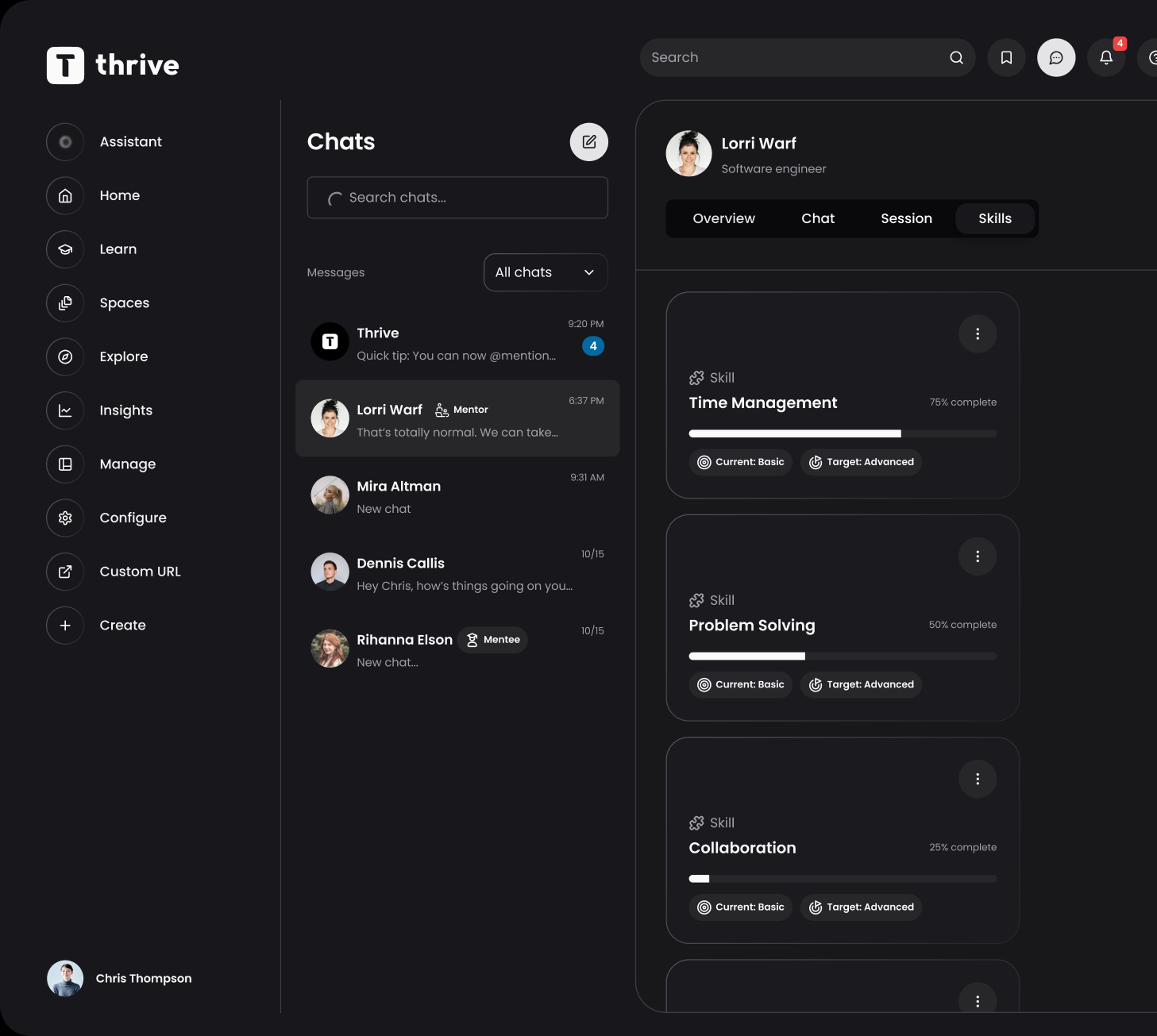
Most organisations know they have skills gaps. Few can see them clearly. Thrive's skills intelligence software maps capability across your workforce with an employee skills matrix, validates it through manager-set levels and observed assessments, and tracks progress through dashboards your leadership team will actually use.
.png)

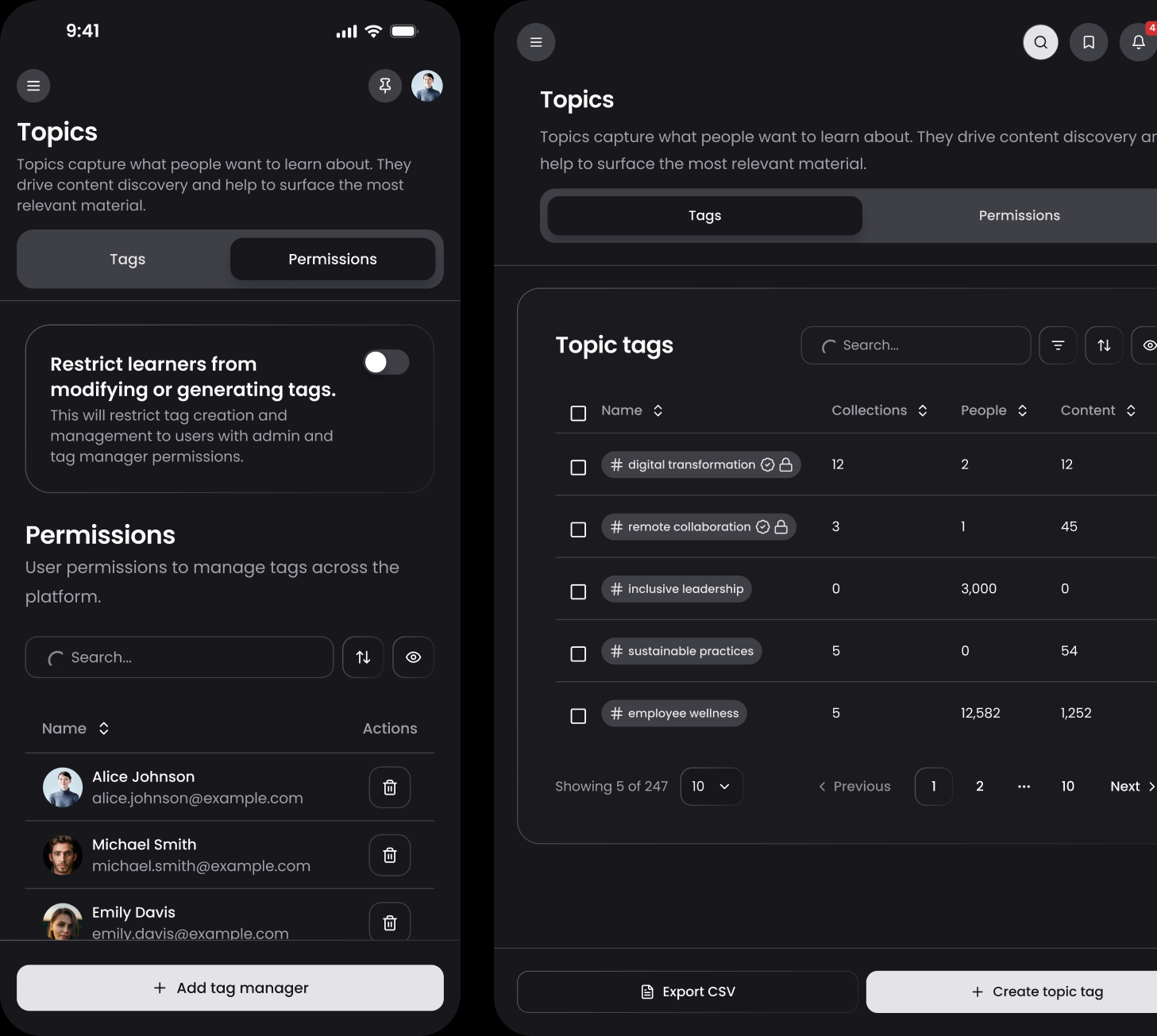
Define the skills each role needs and plan your workforce around them. Thrive maps those skills to structured learning pathways, so employees follow a clear route from where they are to where they need to be. See how Leeds Building Society added 400 goals within a month of launch.
Pair employees with mentors who have the skills and experience they need to grow. Mentoring accelerates capability through guidance, feedback and shared experience that structured content alone can't provide.
Track employee skills progression across individuals, teams and departments. Real-time dashboards show where capability is strong and where investment in skills development is needed most.
Run structured employee skill assessments that capture real evidence of capability, not just self-reported confidence scores. Use results to inform pathway assignments and development priorities.
How are you going to use it?
Trusted by teams like yours





Frequently asked questions
What are workforce skills?
Workforce skills are the capabilities your employees need to perform their roles effectively and adapt to changing business demands. Tracking and developing workforce skills helps organisations identify gaps early, support succession planning and build a skilled and trained workforce that drives performance.
What is an employee skills matrix?
An employee skills matrix is a visual framework that maps the skills each employee has against the skills their role requires. It highlights gaps, strengths and development priorities across teams so L&D and HR leaders can make informed decisions about training, hiring and workforce skills development.
How do skills pathways work?
A skills pathway is a structured learning journey that guides employees through the development stages needed to build specific capabilities. Pathways connect courses, mentoring, assessments and on-the-job activities into a clear route from current skill level to target proficiency.
How to identify skills gaps in your workforce
To identify skills gaps in your workforce, start by defining the skills each role requires, then assess current employee capability against those requirements. Thrive automates this with an employee skills inventory that highlights gaps at individual, team and organisational level so you can prioritise development where it matters most.
Explore more features to support your learning and development strategy
Build learning pathways for onboarding, compliance and role-based training, with deadlines, automatic enrolment and progress tracking.
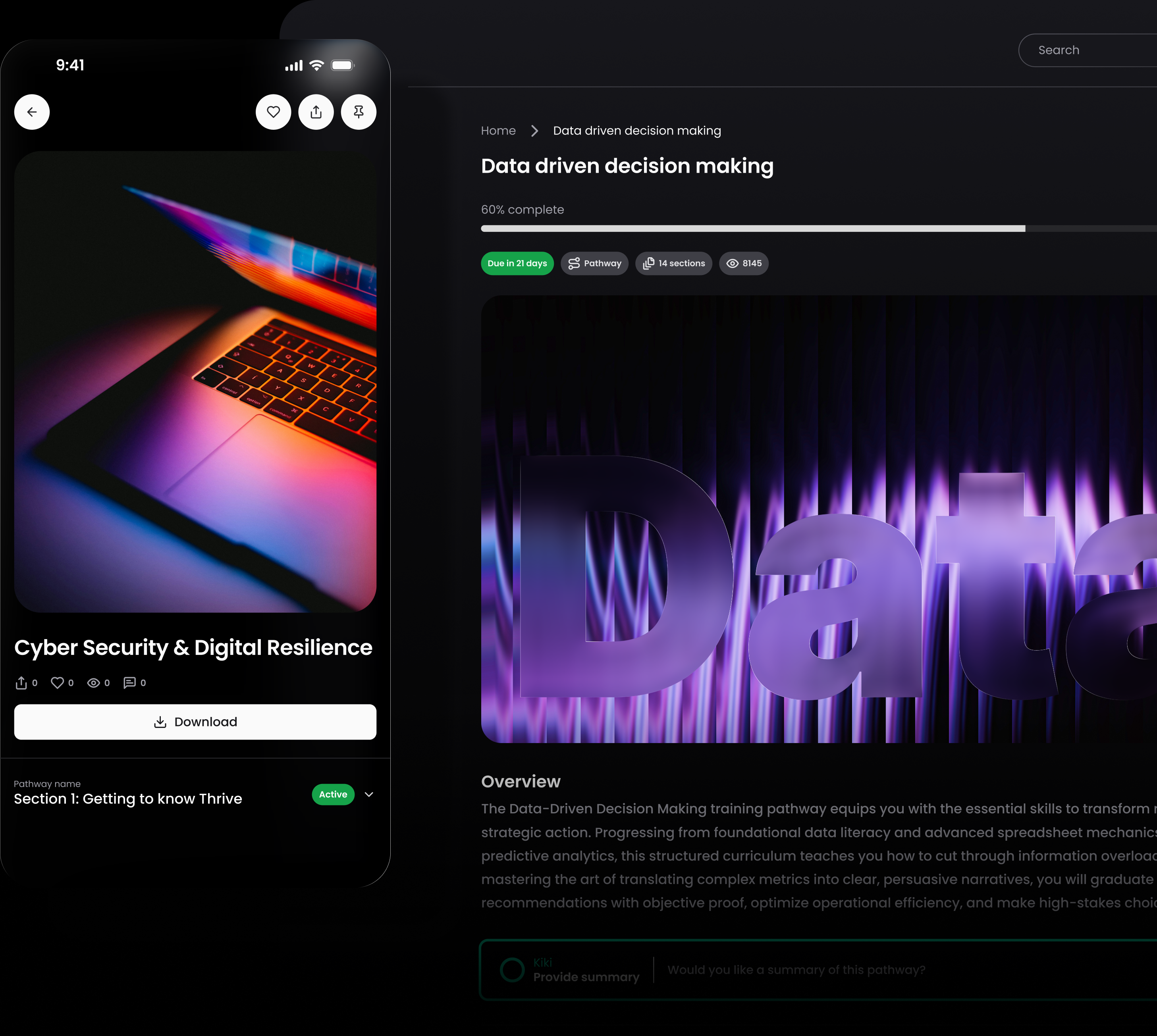
Connect performance to learning with CPD tracking, manager-led reviews and real-time dashboards built for development, not annual reviews.
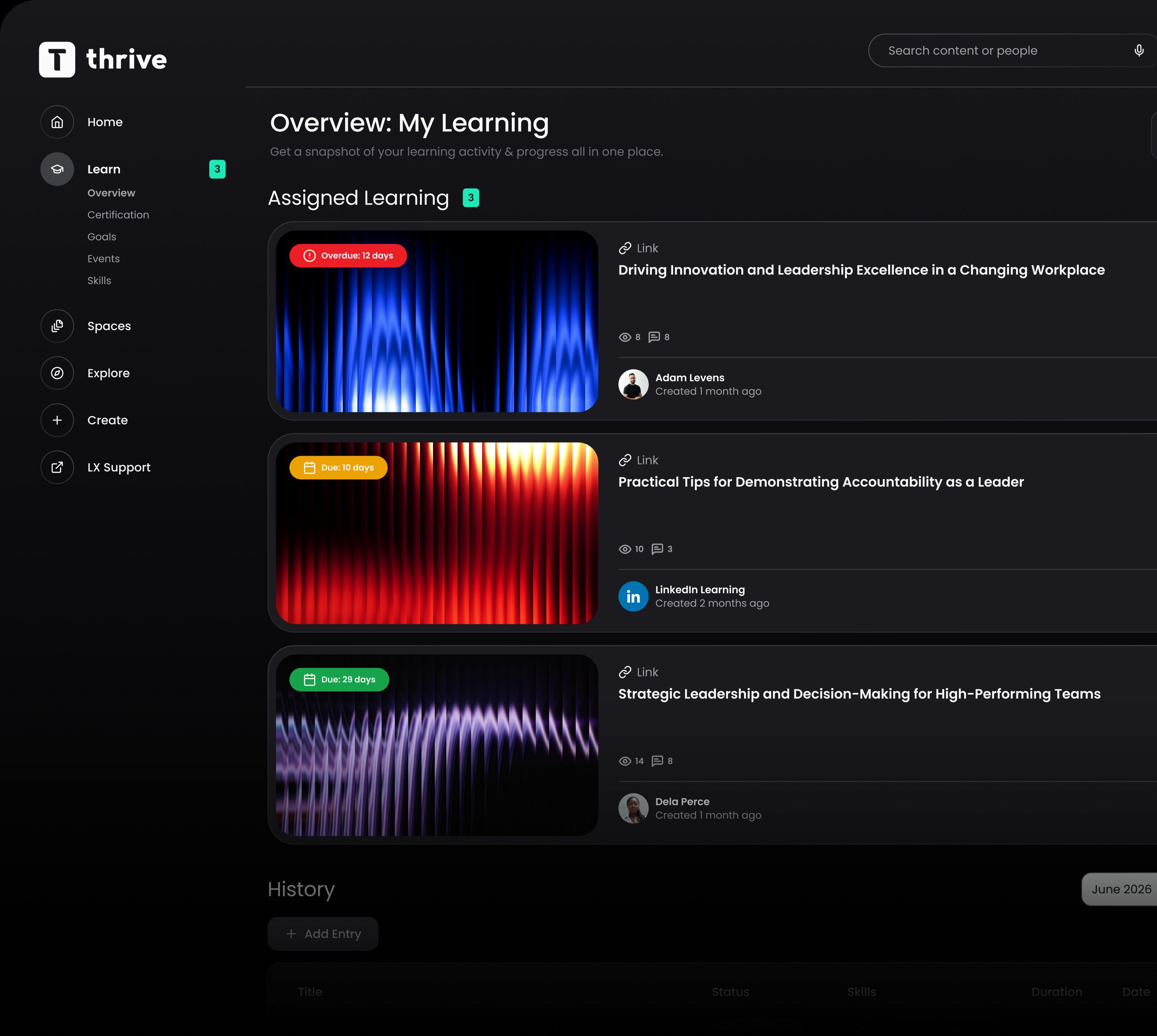
Structured employee assessments, self assessments and knowledge tests connected to real skills and performance data.
.png)