How to improve employee training
A practical guide to building employee training your people will actually use

How to improve employee training with the help of leading LMS systems
Employee training is one of the biggest investments organisations make. It's also one of the most scrutinised.
If you want to improve employee training, you need more than updated content. You need a clear strategy, the right systems, and a learning experience that fits real working life.
- Audit “digital friction” instead of content
Most organisations assume their training problem is about quality, when the real problem is friction. Your learning content might be incredible, but if people can’t find it easily – or if they forget it exists altogether – they’re inevitably going to disengage from it.
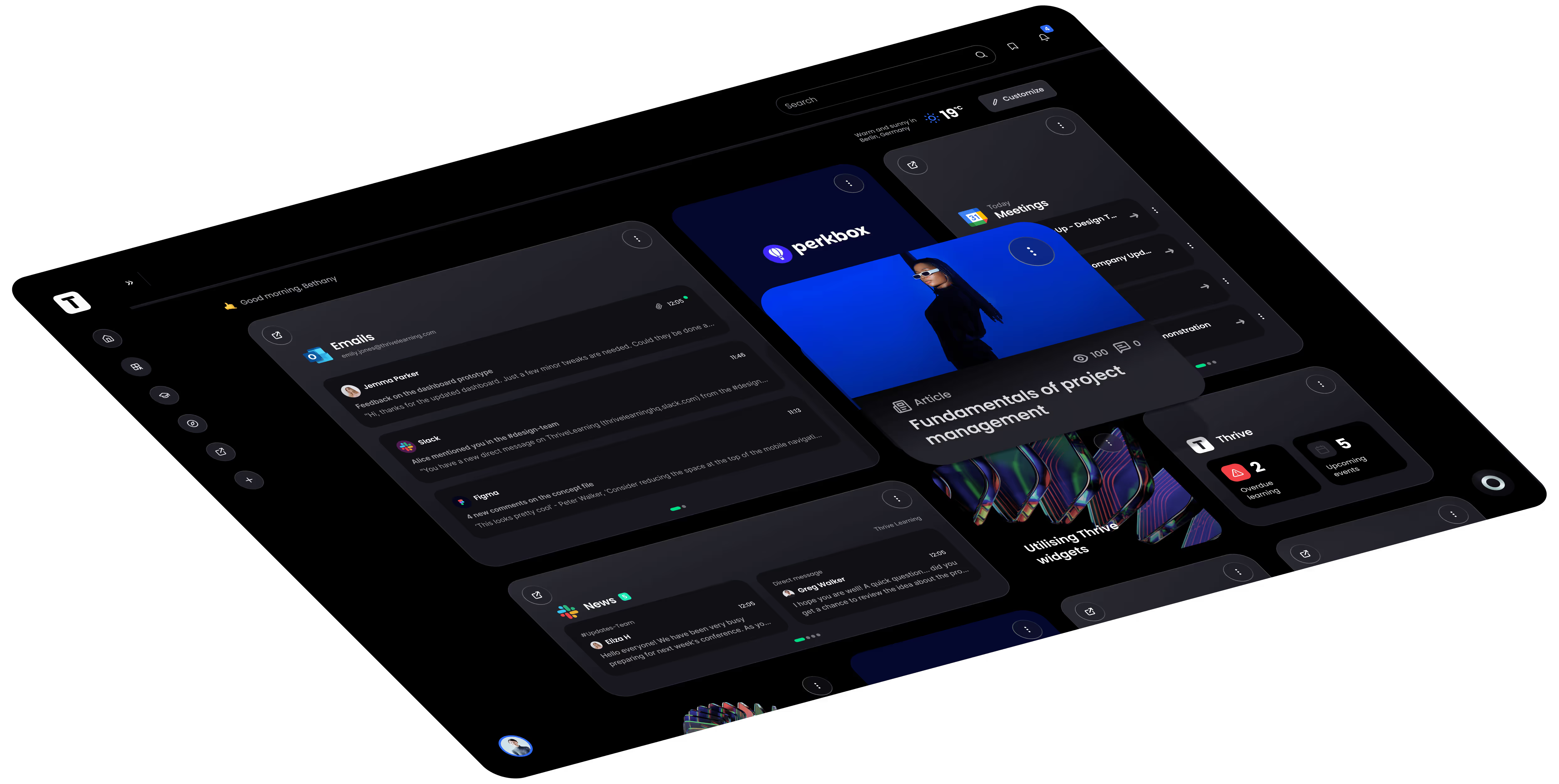
Improving employee training starts with removing barriers. Look closely at how many clicks it takes to find relevant learning, whether training is embedded in existing workflows, and whether tools talk to each other. Your LMS should integrate with the platforms your teams already use.
- Make personalisation the rule
Each individual employee has their own needs, learning preferences, job duties and interests. Your LMS should be able to use data to tailor the most accurate learning journeys for each person, including:
- Curated pathways for specific roles
- Skill-based recommendations linked to career progression
- Insights and analytics that support development conversations
- Mentoring software that lets mentees pair up with suitable mentors
- Make use of internal expertise
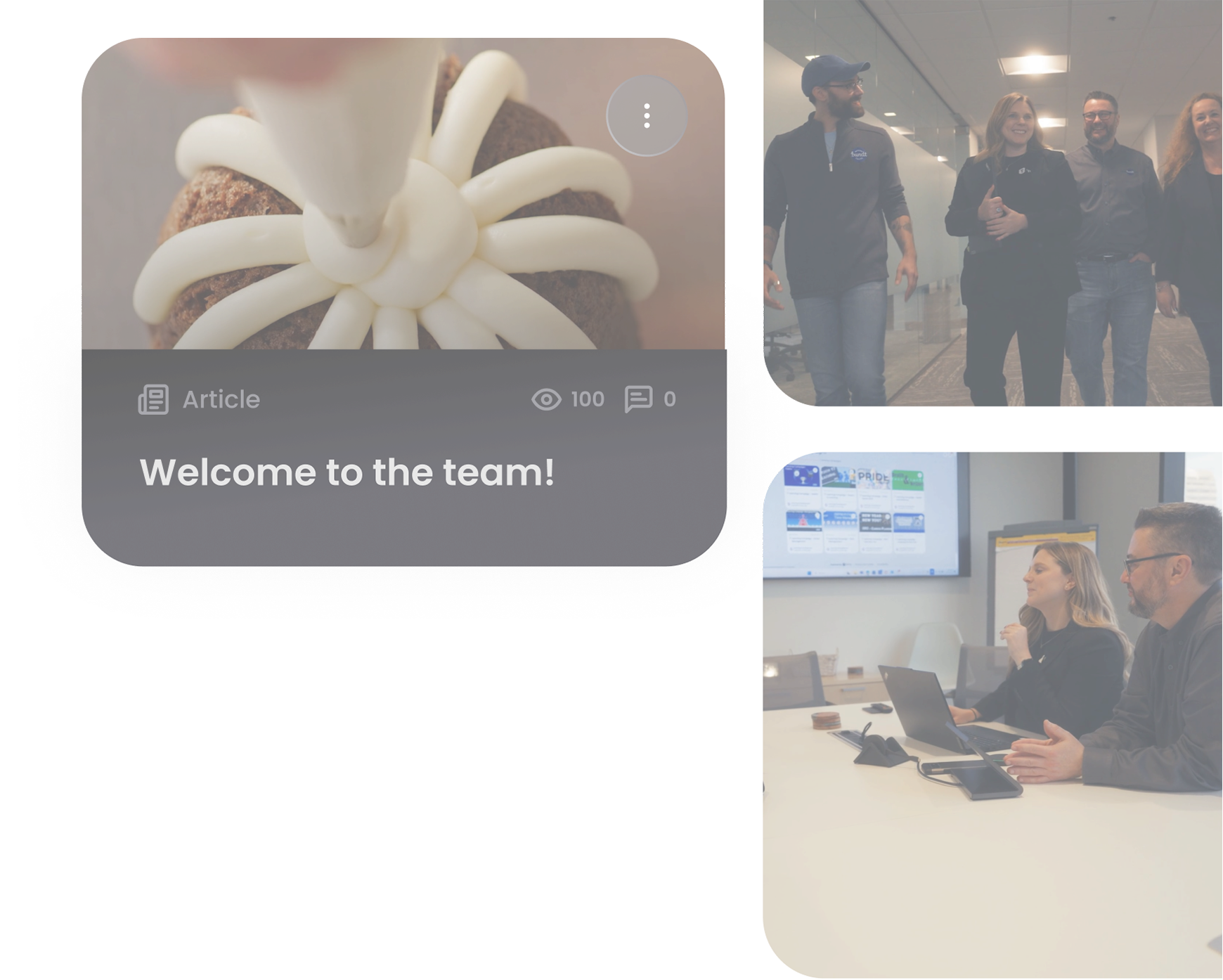
This is one of the easiest and most sustainable ways to improve employee training, and doesn't require you to buy any new content. User Generated Content takes valuable knowledge out of your employees' heads and places it in your learning platform — directly supporting social learning.
Take inspiration from Thrive customer DECIEM. Instead of trying to resist the “Tik-Tok-ification” of skincare education, they leaned into it, encouraging their staff to share short videos within their platform. This resulted in a huge uptick in engagement, with User Generated Content dominating the platform (53%).
- Simplify compliance without reducing standards
There's no getting around it: Compliance training is essential. An LMS worth spending precious L&D budget on will actively remove friction by automating reminders, removing administrative burden, centralising reporting and analytics, and making mandatory learning easy to access.
- Choose technology that people enjoy using
Look for a platform that feels like a natural part of your learner's day — something as easy as Netflix or Instagram. Navigation should be intuitive, answers should take seconds to find via AI-powered search, and content discovery should be simple. At Thrive, we believe learning systems should feel as natural as the apps people use every day.
Turning improvement into sustained performance
Improving employee training requires focus and consistency. When these elements work together, training becomes a driver of capability rather than a box to tick.
If you're ready to build learning that strengthens performance across your organisation, explore how Thrive can help create training that delivers measurable results.