89% of US companies have an LMS. So why doesn't learning transfer?
Five patterns that turn training into real behaviour change

Training doesn't stick because it's built around one-off events, not behaviour change. Transfer of training, where people apply what they learn on the job, needs continuous learning, reinforcement, manager involvement and measured outcomes. Most programmes have none of these.
We talk to a lot of learning and development (L&D) leaders. The same worry comes up again and again, whether it's a Chief Learning Officer at a 10,000-person enterprise or an HR Director building their first programme. They've invested heavily in corporate training, and they're not sure it's working.
The spend is real. US organisations spent $102.8 billion on training in 2025, according to Training Magazine. The same report found 89% of US organisations already use a learning management system. The tools are in place. Yet employees complete the module, pass the quiz and carry on working exactly as before. Research cited by ATD puts 'scrap learning' at 80 to 85%: just under 20% of learners never apply what they learn, and another 65% try, then slip back into old habits.
The transfer of learning problem
Most corporate training is built around an event. A course goes live, people are assigned it, completion is tracked and the box gets ticked.
Learning doesn't work like that. The widely used 70:20:10 model suggests most learning happens on the job, some through other people, and only a small share through formal courses. Yet most L&D budgets are built the other way round.
Here's what we hear again and again from US L&D teams:
- Training is front-loaded at onboarding, then disappears until a compliance deadline
- Content is one-size-fits-all, so a new hire and a five-year veteran get the same course
- There's no reinforcement, so what's learned in week one never resurfaces in week six
- Completion rates are the main metric, which tells you who clicked play, not who learned anything
Five patterns that make learning stick
When training does stick, it's rarely because the content was exceptional. It's because the conditions around it were right. Five patterns show up again and again.
1. Learning is continuous, not a one-off event
The best teams build learning into the rhythm of work. With campaigns, you can time content to land when people need it, like a product launch or the week a new starter joins, not in a generic block six months earlier.
2. Content is personalised to each person
Generic content gets generic results. With skills-based learning, you can see which skills each person already has and which they need next. People skip what they've mastered, and what's left feels relevant.
3. Reinforcement is built into the system
One module creates one memory. Training retention depends on what happens next. Structured learning pathways that revisit key ideas over time turn short-term recall into long-term capability.
Hogan Taylor, a US accounting firm, replaced day-one information overload with a week-by-week onboarding pathway, plus 30 and 90-day touchpoints. The shift in mindset was clear. As Monika Turek, Senior L&D Manager at Hogan Taylor, puts it:
"We moved from 'I got my 40 hours done' to 'I developed effective communication this year'."
4. Managers are part of the loop
Training that sits apart from day-to-day coaching rarely transfers. That "20%" of learning from other people matters. Give managers visibility of what their team is learning, pair people through mentoring and give teams their own Spaces to share what's working, so real conversations reinforce the course.
5. Training effectiveness is measured, rather than activity
Completion rates are a proxy. The real question is whether behaviour changed. That means connecting learning analytics to business data like time to competency, error rates and internal promotions.
It's worth the effort. Gallup links strategic investment in employee development to 11% greater profitability and twice the likelihood of retaining employees. Thrive Impact is built to help you draw that line.
See how teams prove their training impact
What 'good' looks like in practice
In practice, the shift looks like this: The annual compliance push becomes always-on learning woven into daily work. One course for everyone becomes personalised pathways based on role and skill gaps. Completion rates give way to business impact tied to real performance. Instead of the L&D team creating everything, AI helps create content at scale. And learning moves from the desk to wherever people work, including mobile.
The teams getting this right are spending strategically, moving budget from one-off course builds to a corporate LMS that keeps learning alive.
Content creation is the bottleneck, and it's solvable. Many US L&D teams tell us they can't create enough up-to-date content to keep pace with the business. That's changing fast: Training Magazine found AI use in training jumped from 25% to 37% in a year. With an AI content creator and Kiki, Thrive's AI agent, your training keeps up when the business changes.
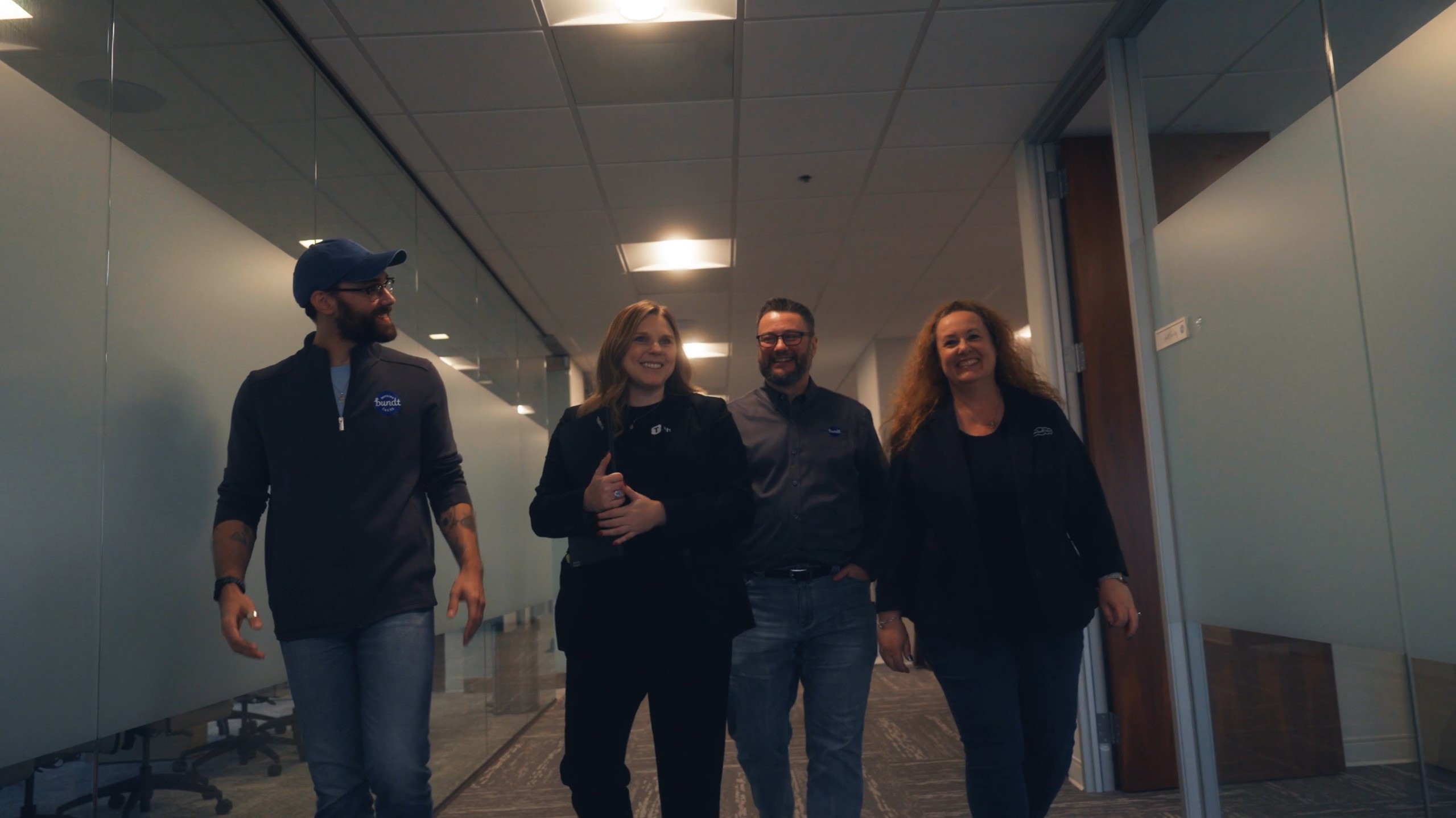
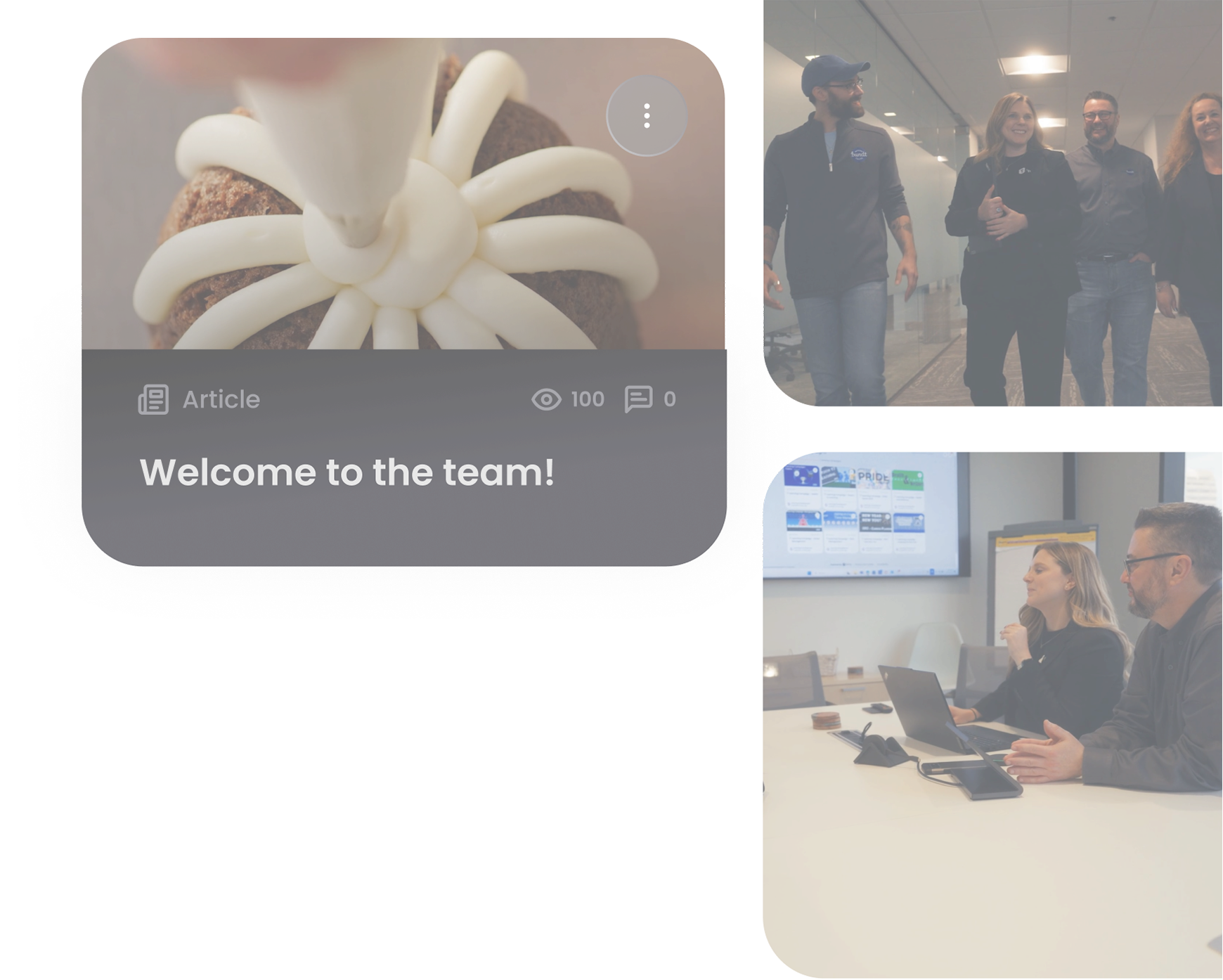
Mobile matters more than most L&D leaders expect. Mobile app use in training rose from 33% to 41% in the same report. For frontline teams, it's everything. Nothing Bundt Cakes trains 5,000 employees across 800+ US bakeries, with mobile learning that fits between shifts. If people can't learn where they work, you have a distribution problem, not a motivation problem.
Scale doesn't have to mean slow either. The right enterprise LMS rolls out fast. AllSaints brought more than 2,300 colleagues across the US, UK, Europe and Asia onto Thrive in under six weeks.
How we're closing the training retention gap
Most training never gets applied because it arrives at the wrong time. So we're building Thrive to put support where the work happens, not in a scheduled session people won't remember.
Kiki, Thrive's AI agent, can also work as a coach. Your people can ask a question, get guidance or brush up on a skill the moment they need it, drawing on your own learning content. And with mentoring included at no extra cost, they can turn to a mentor when a conversation matters more than a quick answer.
That's human and AI support, side by side, whenever someone needs it. It's reinforcement that fits into the working day, which is exactly where transfer of training happens.
The question worth asking your team
We've just opened our US office in Austin to work more closely with teams like these. And the question we ask every US L&D leader is this: if you ignored your training data and looked only at business performance, could you tell your programme was working?
For most teams, the honest answer is no. Not because the training is bad, but because the link between learning and outcomes was never built.
That's the opportunity. Not more content or a bigger budget, but a different relationship between learning and performance. It's what the Thrive platform is built for.
If you'd like to find out more, book a demo.
Frequently asked questions about learning transfer
What is transfer of learning?
Transfer of learning, also called transfer of training, is when people apply what they learn in training to their actual work. It's the difference between passing a quiz and changing how you do your job. Without it, training spend creates activity, not capability.
Why doesn't corporate training work?
Most corporate training is built as a one-off event: assign a course, track completion, move on. Without reinforcement, personalisation or manager involvement, most people never apply it. Research cited by ATD puts this 'scrap learning' at 80 to 85%. Training works when it's continuous, relevant to each role and measured against business outcomes.
What are the barriers to transfer of training?
The biggest barriers are generic content, no follow-up after the course, managers who aren't involved and measuring completion instead of behaviour. Access matters too. Frontline and distributed teams often can't reach training where they work, so a mobile-first platform removes one of the most common blockers.
How do you measure training effectiveness?
Look beyond completion rates. Connect learning analytics to business metrics like time to competency, error rates, customer satisfaction and internal promotions. Track whether behaviour changes over weeks, not days. If your performance data can't show the impact, the link between learning and outcomes needs building.
Does training increase employee retention?
Yes. Gallup links strategic investment in employee development to twice the likelihood of retaining employees, plus 11% greater profitability. People stay where they can grow, so training that builds real skills and visible career progress is one of the strongest retention levers you have.
How can an LMS improve learning transfer?
A modern LMS keeps learning going after the course ends. Thrive uses skills data to point people to relevant content, learning pathways to reinforce it, Kiki and mentoring to support people in the moment, and analytics to measure impact. Hogan Taylor used it to move from logging continuing professional development (CPD) hours to building real skills, and Nothing Bundt Cakes trains 5,000 employees across 800+ US bakeries.
Building a business case for change? We'll walk you through what this could look like for your organisation. Let's chat.